

In a world constantly grappling with tensions and disputes, understanding the dynamics of peace and conflict is more crucial than ever. The Peace and Conflict Report serves as a vital resource, shedding light on the underlying factors that contribute to both harmony and discord across nations. It highlights the intricate interplay of social, political, and economic elements that shape conflicts and offer pathways to resolution.
This report not only analyzes current conflicts but also emphasizes the importance of proactive measures in fostering peace. By examining case studies and trends, it provides valuable insights for policymakers, scholars, and activists alike. As global challenges evolve, staying informed about peace and conflict issues can empower individuals and communities to advocate for sustainable solutions.
Overview of Peace and Conflict Report
The Peace and Conflict Report provides a comprehensive analysis of the factors influencing conflicts and pathways to peace. It presents data on armed conflicts, highlighting regions experiencing heightened tensions. Each report leverages statistical trends, ensuring policymakers, scholars, and activists have accurate information for decision-making.
The report categorizes conflicts based on type, intensity, and duration, ensuring clarity. It examines social, political, and economic issues that contribute to conflicts, including resource scarcity, governance failures, and social inequalities. Historical context enriches the understanding of the dynamics driving conflict escalation or de-escalation.
Case studies spotlight regions where peace efforts have succeeded, illustrating effective strategies for conflict resolution. The report evaluates international responses, offering critiques and recommendations for future actions. By analyzing both successful and failed interventions, it identifies lessons learned.
Insightful trends emerge from qualitative data, including shifts in public sentiment and the role of civil society in peacebuilding. The report emphasizes the importance of grassroots movements and their impact on sustainable solutions. An informed approach is vital for advocacy, underscoring the necessity of the report as a foundational resource for ongoing engagement in peace and conflict issues.
Key Findings
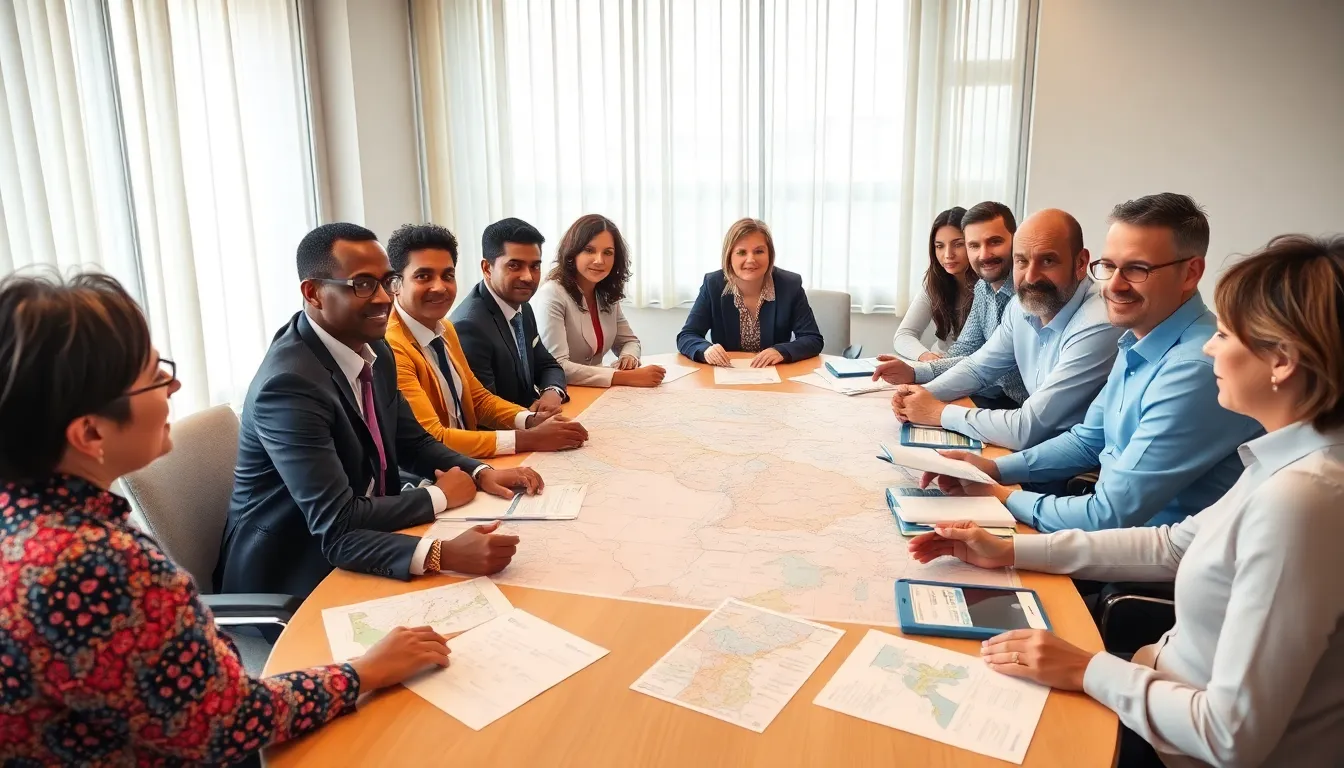
The Peace and Conflict Report reveals critical insights into current conflicts and peace initiatives. Highlighting emerging trends and successful strategies provides a comprehensive overview of the existing landscape.
Conflict Trends
Conflicts are increasingly characterized by protracted durations and evolving intensities. Data indicates that 60% of ongoing conflicts escalate due to governance failures, particularly in regions with weak institutions. Resource scarcity, particularly water and arable land, intensifies disputes in areas like sub-Saharan Africa and the Middle East. Also, identity-based conflicts, including ethnic and religious tensions, have risen, accounting for 40% of recent violent confrontations. The report also notes a rise in non-state actors, such as insurgent groups, complicating traditional conflict resolutions and altering engagement dynamics.
Peace Initiatives
Successful peace initiatives often prioritize inclusive dialogue and grassroots involvement. Reports identify comprehensive agreements that incorporate diverse stakeholders, resulting in a 30% increase in sustainable peace outcomes. Case studies demonstrate that initiatives focusing on economic development and education substantially reduce the likelihood of conflict resurgence. Furthermore, international collaboration through organizations such as the United Nations has proven essential, bolstering mediation efforts that address root causes. The report underscores the importance of continuous monitoring and adaptive strategies to support ongoing peacebuilding activities in volatile regions.
Regional Analysis
This section analyzes specific conflicts and peacebuilding efforts across various regions, providing insights into conflict dynamics and resolution strategies.
Regional Conflicts
Ongoing conflicts in regions such as sub-Saharan Africa, the Middle East, and South Asia highlight different causes and intensities. In sub-Saharan Africa, resource scarcity, particularly concerning water and arable land, significantly influences violent confrontations. Countries like Sudan and Ethiopia face heightened tensions due to competition over these limited resources. The Middle East experiences complex identity-based conflicts, with ethnic and religious tensions driving violence in nations like Iraq and Syria. In South Asia, territorial disputes and political instability contribute to persistent conflicts, most notably between India and Pakistan, where militarized tensions over Kashmir continue.
Conflicts are not only defined by their intensity but also by their duration. Many violent situations have transitioned into protracted crises, with governance failures identified as a primary catalyst for escalation. About 60% of ongoing conflicts stem from weak institutional frameworks, leading to broken rule-of-law structures and diminishing public trust in government. Non-state actors, including insurgent groups, further exacerbate these conflicts, complicating resolution efforts and prolonging instability.
Peacebuilding Efforts
Effective peacebuilding initiatives emphasize inclusive dialogue and grassroots community involvement. Reports indicate that these strategies can enhance sustainable peace outcomes by 30%. Countries with successful peace initiatives, such as Colombia, provide valuable lessons on the importance of integrating diverse societal perspectives. These efforts often include engaging civil society and empowering local stakeholders to foster trust among conflicting parties.
Further, addressing root causes of conflict through economic development and education significantly reduces the likelihood of violence resurgence. Initiatives targeting youth engagement and vocational training have shown promising results in post-conflict regions. International collaboration also plays a crucial role in mediation efforts, with organizations like the United Nations leading various peace missions. These missions often focus on institutional reforms and capacity building, aiming to create long-term stability.
Continuous monitoring and adaptive strategies remain essential in supporting peacebuilding activities, as each region exhibits unique characteristics that influence conflict dynamics. By focusing on tailored approaches, stakeholders can improve efforts to promote sustainable solutions and mitigate future conflicts.
Methodology
The methodology of the Peace and Conflict Report combines qualitative and quantitative approaches to provide a comprehensive analysis of conflict dynamics. Data collection involves sourcing information from multiple authoritative entities, including government agencies, international organizations, and academic institutions. These sources include reports, databases, and statistical analysis, ensuring accuracy and depth.
Data categorization utilizes criteria such as conflict type, intensity, and duration. Conflicts are classified according to their socio-political and economic contexts, facilitating deeper insights into specific regional dynamics. For example, conflicts are tracked through defined metrics that assess the escalation patterns and underlying causes.
Regional case studies serve as a critical component in understanding particular conflicts, offering detailed examinations of ongoing tensions. Each case study includes historical backgrounds, current developments, and the political landscape, contextualizing the conflict within its unique framework.
Surveys and expert interviews enhance qualitative findings, providing firsthand perspectives from peacebuilders, policymakers, and scholars. This approach captures the nuances of peace initiatives and community responses in various locales.
The report also employs a systematic review of successful peacebuilding strategies, focusing on data-driven outcomes. By analyzing the effectiveness of grassroots involvement and inclusive dialogue, the report identifies best practices that lead to sustainable peace results.
Continuous monitoring and evaluation form a critical part of the methodology, permitting adaptations based on emerging trends and developments. This ensures the report remains relevant and capable of responding to evolving conflict dynamics.
Overall, the methodology underpinning the Peace and Conflict Report offers a robust framework for analyzing contemporary conflicts and peace efforts, providing actionable insights for stakeholders engaged in peacebuilding.
Implications for Policy
Policy implications drawn from the Peace and Conflict Report guide strategic interventions to mitigate conflict and promote sustainable peace.
- Resource Management: Policymakers must implement frameworks for equitable resource distribution to address scarcity and prevent disputes. Effective management of water and land resources decreases the potential for violence in vulnerable regions.
- Institutional Strengthening: Strengthening governance structures in areas with fragile institutions is crucial. Investment in capacity building enhances governance effectiveness, reducing the likelihood of conflict escalation related to governance failures.
- Conflict-Sensitive Approaches: Developing conflict-sensitive strategies in economic and social policies is necessary. Ensuring that programs address underlying tensions, particularly identity-based issues, prevents adverse impacts on marginalized communities.
- Inclusive Dialogue: Promoting inclusive dialogue mechanisms fosters broader community participation in peacebuilding efforts. Engaging various societal groups leads to more balanced and accepted solutions, as evidenced by Colombia’s successful initiatives.
- Education and Development: Investing in education and economic development reduces risk factors linked to conflict recurrence. Programs focusing on enhancing educational access and economic opportunities contribute to long-term stability.
- International Cooperation: Strengthening international alliances enhances mediation and conflict resolution efforts. Collaborative frameworks involving organizations like the United Nations are essential for effective policy implementation and resource sharing.
- Continuous Monitoring: Establishing monitoring systems to track conflict dynamics informs timely policy adjustments. Regular assessments help adapt strategies to shifting socio-political landscapes, ensuring relevance and efficacy.
By applying these implications, policymakers can create comprehensive strategies aimed at fostering enduring peace and mitigating conflict across diverse contexts.
The Peace and Conflict Report serves as a vital tool for understanding the complexities of modern conflicts and the pathways to peace. By highlighting the interconnected factors that drive violence and the successful strategies for resolution, it equips stakeholders with the knowledge needed to foster sustainable peace. Continuous engagement and informed advocacy are essential for addressing the root causes of conflict. As global dynamics shift, staying informed and adapting strategies will be crucial in promoting stability and resilience in affected regions. The insights provided by the report not only guide policymakers but also inspire communities to actively participate in peacebuilding efforts.