

As electric vehicles (EVs) continue to gain traction in the automotive market, the need for efficient maintenance and troubleshooting has never been more crucial. EV remote diagnostics emerges as a game-changing solution, allowing technicians to monitor vehicle performance and identify issues from afar. This innovative technology not only enhances the overall ownership experience but also streamlines repair processes, saving time and reducing costs.
With the ability to access real-time data, manufacturers and service providers can diagnose problems without the need for physical inspections. This proactive approach not only minimizes downtime but also boosts customer satisfaction. As the demand for EVs grows, understanding the importance of remote diagnostics is essential for anyone invested in the future of sustainable transportation.
Overview of EV Remote Diagnostics
EV remote diagnostics refers to the advanced technology that enables real-time monitoring and analysis of electric vehicle performance. This system utilizes onboard telematics to transmit vehicle data to service centers, allowing technicians to conduct assessments without physical inspections.
- Data Monitoring: Remote diagnostics continually tracks several metrics, including battery health, system status, and performance metrics. This ongoing monitoring facilitates timely detections of irregularities.
- Issue Identification: Technicians can identify specific malfunctions or potential failures before they escalate. Using algorithms and analytical tools, remote diagnostics pinpoints problems, helping streamline maintenance operations.
- Performance Improvement: By analyzing collected data, manufacturers can refine software and hardware components, enhancing overall vehicle performance and reliability.
- Customer Convenience: Owners benefit from immediate feedback on vehicle status and troubleshooting procedures. This immediacy reduces anxiety about unexpected issues and fosters trust in EV technology.
- Cost Efficiency: Remote diagnostics contribute to cost savings for both customers and service providers by minimizing the need for in-person inspections. This efficiency translates into lower maintenance costs and reduced vehicle downtime.
EV remote diagnostics represents a significant shift in how electric vehicles are serviced, establishing a proactive approach to vehicle maintenance and enhancing the overall EV ownership experience.
Key Features of EV Remote Diagnostics
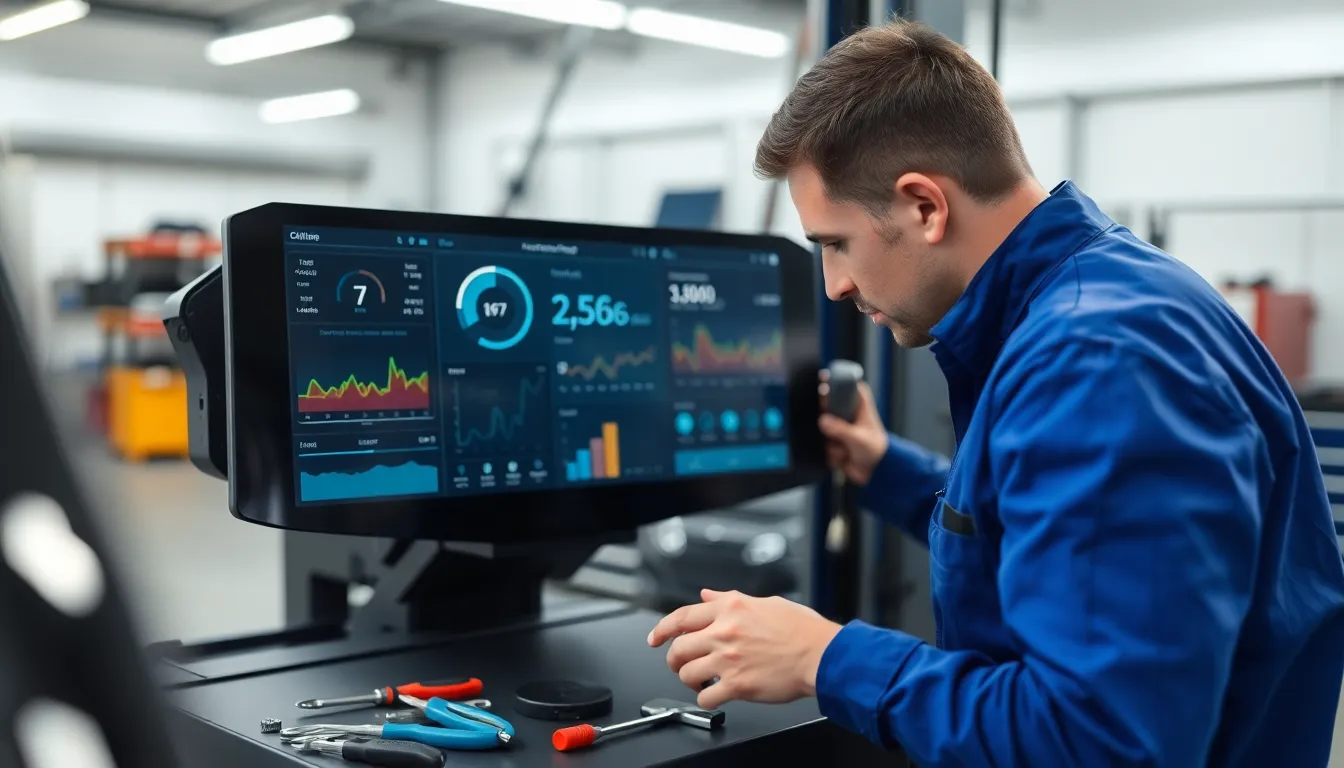
EV remote diagnostics offers advanced features that enhance vehicle maintenance and performance monitoring. Notable elements include real-time monitoring and robust data analytics capabilities.
Real-Time Monitoring
Real-time monitoring provides continuous oversight of key vehicle metrics. Systems track battery health, temperature, and charging status, delivering instant updates to technicians and vehicle owners. Alerts trigger when irregularities arise, allowing for prompt attention to potential issues. Continuous monitoring supports proactive maintenance, minimizing unexpected breakdowns and extending vehicle longevity.
Data Analytics Capabilities
Data analytics capabilities empower manufacturers and service providers to process vast amounts of vehicle performance data. Advanced algorithms analyze collected information, identifying trends and patterns in vehicle behavior. This analysis uncovers insights that facilitate predictive maintenance, enhancing overall efficiency in service operations. By leveraging data, manufacturers can optimize vehicle design and performance, ultimately improving the owner experience.
Benefits of EV Remote Diagnostics
EV remote diagnostics delivers significant advantages in maintenance and user engagement for electric vehicles. This technology enhances maintenance efficiency and elevates the overall user experience.
Improved Maintenance Efficiency
Improved maintenance efficiency results from real-time data access and analysis. Technicians receive immediate notifications of anomalies, enabling quicker response times. Systems track key performance indicators like battery status and energy consumption, allowing for preemptive interventions. Continuous monitoring limits the need for frequent physical inspections, thus reducing labor costs and minimizing vehicle downtime. Predictive maintenance models leverage historical data to forecast potential issues, ensuring parts are replaced before they fail. Efficient maintenance operations lead to prolonged vehicle lifespan and enhanced reliability.
Enhanced User Experience
Enhanced user experience stems from immediate feedback and reduced anxiety among vehicle owners. Remote diagnostics provides real-time updates on vehicle performance, allowing drivers to stay informed about their EV’s condition. Users receive alerts about potential issues, allowing them to take timely action and avoid unexpected breakdowns. Transparent communication fosters trust between manufacturers and vehicle owners, improving customer satisfaction. Access to personalized insights on driving habits and vehicle efficiency empowers users to maximize their EV’s performance, further enriching the ownership experience. Overall, remote diagnostics transforms how owners interact with their vehicles, leading to a more seamless and confident driving journey.
Challenges in Implementing EV Remote Diagnostics
Implementing EV remote diagnostics presents several challenges that hinder optimal performance and efficiency. Addressing these challenges is crucial for maximizing the benefits of this technology.
Data Security Concerns
Data security concerns remain a significant hurdle in the deployment of EV remote diagnostics. Protecting sensitive vehicle and owner information from cyber threats is paramount. Hackers may exploit vulnerabilities in connected systems, potentially leading to unauthorized access to data. Manufacturers must employ robust encryption protocols and secure communication channels to safeguard data. Additionally, regular security audits and updates are essential to mitigate risks associated with evolving cyber threats. The implementation of industry-wide security standards provides a foundational framework for protecting user data and maintaining trust.
Integration with Existing Systems
Integration with existing systems poses another challenge. Many manufacturers utilize diverse telematics and diagnostic systems, making it difficult to unify data streams effectively. Compatibility issues can arise between different software platforms and hardware components. Streamlined integration requires clear communication among stakeholders, including manufacturers, service providers, and software developers. Developing standardized APIs (Application Programming Interfaces) facilitates smoother connections between various systems, ensuring seamless data flow and enhancing the effectiveness of remote diagnostics. Additionally, continuous training for technicians on new systems improves adaptability and operational efficiency.
The integration of remote diagnostics in electric vehicles is reshaping the landscape of vehicle maintenance and ownership. By enabling real-time monitoring and proactive maintenance, this technology not only enhances efficiency but also fosters a deeper connection between manufacturers and owners. As the industry continues to evolve, addressing challenges such as data security and system compatibility will be essential. Embracing these advancements will ultimately lead to a more reliable and satisfying EV ownership experience, paving the way for a sustainable future in transportation.