

The blue macaw, with its vibrant feathers and charismatic personality, has captured the hearts of bird lovers everywhere. But as they twirl and squawk in our imaginations, the reality is a bit more sobering. These stunning creatures are teetering on the brink of extinction, and the question of how many are left is as pressing as ever.
Overview of Blue Macaws
Blue macaws are known for their striking cobalt and turquoise plumage. These large parrots originate from South America, particularly Brazil, Bolivia, and Paraguay. They primarily inhabit tropical rainforests, savannas, and woodlands, where they find ample food sources and nesting sites.
Species such as the Spix’s macaw and the Lear’s macaw represent the blue macaw group. Current estimates indicate that fewer than 200 Spix’s macaws exist in the wild, with this species declared extinct in the wild in the early 2000s. Conservation efforts strive to increase this population, highlighting the crucial steps needed for recovery. The Lear’s macaw, on the other hand, has a slightly higher population, with estimates around 1,000 individuals.
These birds are social creatures, often seen in pairs or small flocks. Blue macaws feed on nuts, fruits, and seeds, showcasing their strong beaks, perfect for cracking hard shells. Nesting typically occurs in tree cavities, where they lay two to four eggs.
Although these macaws exhibit gentle behaviors, habitat loss poses a serious threat. Deforestation and illegal trapping contribute to their dwindling numbers. Implementing protective measures is vital for their survival, ensuring these stunning birds maintain their place in the ecosystem. Organizations and governments worldwide focus efforts on habitat restoration and legal protection to safeguard their future. Awareness plays a key role in these initiatives, promoting understanding and supporting conservation actions.
Current Population Status
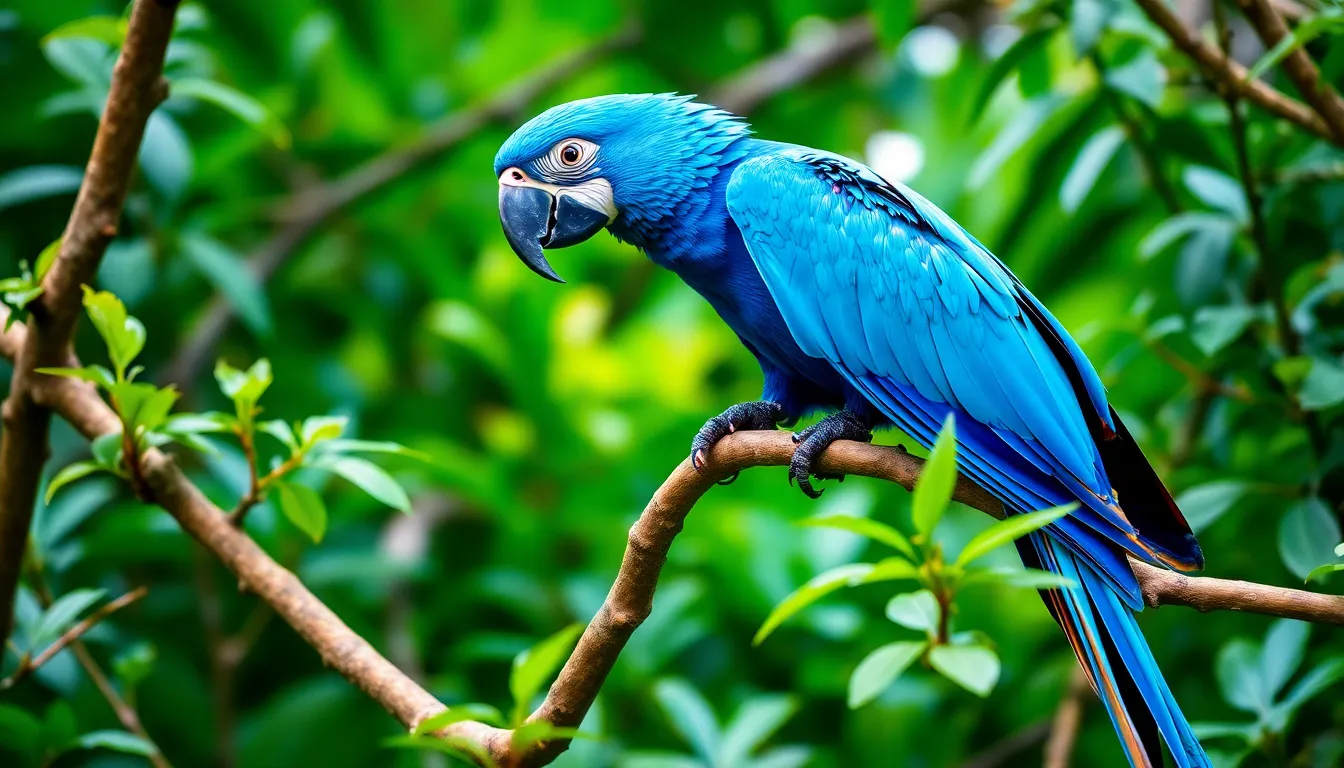
The blue macaw faces a critical population crisis, with specific species exhibiting alarming numbers. Protecting this iconic bird becomes increasingly urgent as its population continues to decline.
Endangered Species Status
The Spix’s macaw is classified as extinct in the wild, with fewer than 200 individuals remaining. This designation comes from a lack of sightings in their natural habitat since the early 2000s. The Lear’s macaw holds an endangered status but boasts approximately 1,000 individuals, highlighting the significant differences in population health among blue macaw species. Conservationists recognize both species require immediate attention to prevent further decline.
Estimated Numbers
Precise estimates indicate that fewer than 200 Spix’s macaws still exist in the wild, emphasizing their precarious position. The Lear’s macaw population, though more stable, remains at about 1,000 individuals, marking them as vulnerable. Continuous monitoring and habitat restoration efforts play a vital role in increasing these numbers. Protecting the habitats where these birds thrive directly correlates to their survival, making targeted efforts essential.
Factors Affecting Blue Macaw Population
Blue macaw populations face significant challenges that threaten their survival.
Habitat Loss
Habitat loss stands as a critical concern for blue macaws. Deforestation in South America results in diminishing tropical forests, savannas, and woodlands. Nesting sites disappear as trees are removed. Additionally, agriculture and urban expansion further fragment their habitats. Changes in land use disrupt food sources, making it harder for the birds to thrive. Conservationists emphasize the urgency of habitat restoration to promote population recovery. Restoring these ecosystems is essential, as it provides safety and sustenance for blue macaws.
Illegal Pet Trade
The illegal pet trade poses another grave threat to blue macaw populations. Breeders often capture these birds to sell as exotic pets, reducing their numbers in the wild. High demand for blue macaws in captivity incentivizes poaching. Each captured bird contributes to the shrinking population, intensifying the risk of extinction. Regulatory efforts aim to curb this trade, but enforcement often struggles against organized networks. Increasing public awareness about the plight of blue macaws can help curb demand for illegal pets. Protecting these birds from poachers remains crucial for ensuring their survival.
Conservation Efforts
Conservation efforts play a vital role in the survival of blue macaws, particularly Spix’s and Lear’s macaws. These initiatives focus on breeding programs and habitat preservation to ensure these magnificent birds thrive.
Breeding Programs
Breeding programs support the recovery of blue macaw populations. Organizations such as the Association of Zoos and Aquariums operate species survival plans aimed at increasing numbers in captivity. In these programs, genetic diversity remains a priority, enhancing the chances for healthy offspring. Spix’s macaws, once thought extinct in the wild, benefit from targeted breeding practices that aim to reintroduce them into their natural habitat. Collaboration among wildlife reserves, zoos, and conservationists strengthens the success of these efforts. These programs raise public awareness about blue macaws, fostering a deeper appreciation for their significance in biodiversity.
Habitat Preservation
Habitat preservation is essential for maintaining blue macaw populations. Conservationists identify critical areas that require protection from deforestation and development. Efforts include establishing reserves and implementing reforestation projects to restore native ecosystems. Community-based initiatives encourage sustainable land use practices, minimizing human impact on their habitats. Legislation protecting blue macaw habitats plays a significant role in ensuring their survival. Restoration of nesting sites contributes to the natural breeding cycle, allowing populations to rebound. Educating local communities about the importance of these birds generates support for preservation initiatives, creating a brighter future for blue macaws.
Future Outlook
Conservation efforts for blue macaws emphasize the urgent need for effective strategies. These strategies focus on enhancing breeding programs and fostering habitat restoration. Breeding programs, backed by organizations like the Association of Zoos and Aquariums, aim to boost the population of Spix’s macaws, which number fewer than 200 in the wild.
Targeted breeding practices play a pivotal role in improving genetic diversity, ensuring healthier offspring for potential reintroduction into their natural habitats. Habitat restoration efforts concentrate on reforestation projects that address the loss of nesting sites and food sources.
Legal protections are vital to combat the illegal pet trade, which continues to threaten their survival. Regulations aimed at reducing poaching directly impact blue macaw populations, making enforcement crucial.
Research indicates that community involvement can enhance conservation initiatives. Educating local communities about the ecological importance of blue macaws fosters support for habitat preservation. Collaborative efforts between conservationists and local groups create a resilient network working towards sustainable land use, helping to mitigate deforestation.
Long-term success in preserving blue macaws relies on continuous monitoring of existing populations. Data collection on blue macaw numbers informs adaptive management strategies, ensuring targeted efforts yield measurable results.
Greater public awareness of the plight facing blue macaws directly influences conservation funding. Increased financial support for habitat protection ensures these efforts remain prioritized. As challenges persist, integrating scientific research with grassroots initiatives offers a holistic approach to safeguarding blue macaws for future generations.
The future of blue macaws hangs in the balance. With their populations dwindling and threats like habitat loss and illegal trade looming large, immediate action is essential. Conservation efforts are underway but require collective support from individuals and communities alike.
By raising awareness and advocating for protective measures, everyone can play a role in safeguarding these magnificent birds. The success of breeding programs and habitat restoration initiatives will rely on ongoing commitment and collaboration.
It’s crucial to ensure that blue macaws not only survive but thrive in their natural environments. With concerted efforts, there’s hope for a brighter future for these stunning creatures, allowing them to continue enchanting generations to come.