

In a world where your coffee maker can chat with your thermostat, smart device integration isn’t just a trend; it’s a way of life. Imagine waking up to the smell of freshly brewed coffee while your lights gradually brighten, all orchestrated by a device that knows you better than your roommate. It’s like having a personal assistant who never takes a day off—except this one won’t steal your snacks.
As homes become smarter, the integration of devices transforms everyday tasks into seamless experiences. From controlling your home security with a flick of your wrist to adjusting the temperature while lounging on the couch, the possibilities are endless. Dive into the fascinating realm of smart device integration, where convenience meets innovation, and discover how these technologies can make life not just easier but a whole lot more fun.
Understanding Smart Device Integration
Smart device integration refers to the interconnectedness of various devices within a home network. This system allows devices to communicate and collaborate, creating a more cohesive and efficient living environment.
Definition of Smart Device Integration
Smart device integration involves connecting multiple intelligent devices, enabling them to work together seamlessly. Examples include smart speakers controlling lights, thermostats adjusting settings based on schedules, and security cameras sending alerts to smartphones. These integrations enhance user experience by offering personalized automation options. They facilitate the interoperability of devices, making daily tasks more straightforward and efficient.
Importance of Smart Device Integration
Smart device integration plays a crucial role in modern living, bringing convenience and efficiency. It streamlines daily routines by automating tasks, thus saving time for users. Enhanced security features arise when devices interact, such as alarms triggering when cameras detect motion. Energy savings become achievable as systems optimize usage, demonstrating a commitment to sustainability. Additionally, the integration fosters a more enjoyable home environment, where entertainment systems synchronize with lighting for a richer experience.
Benefits of Smart Device Integration
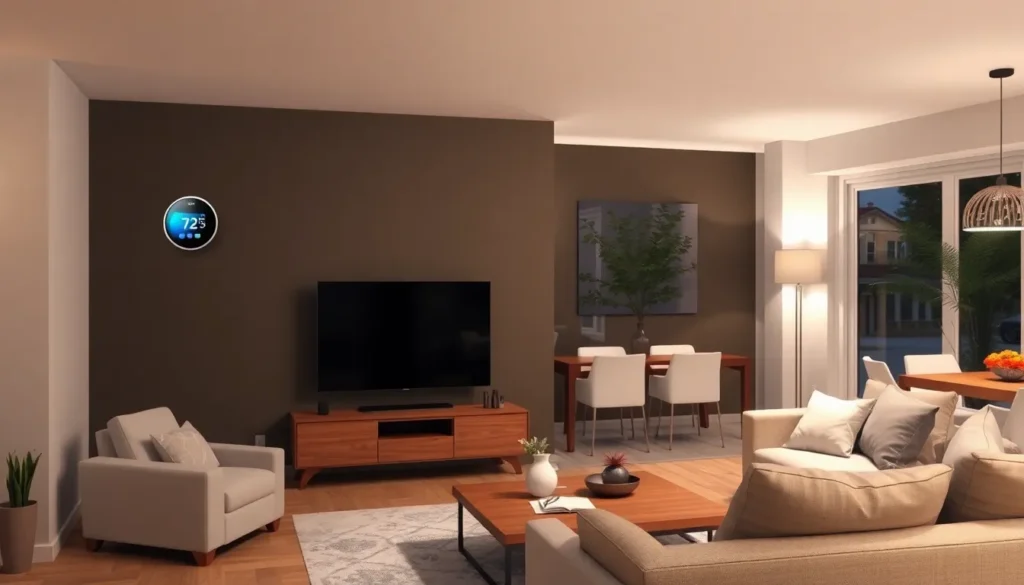
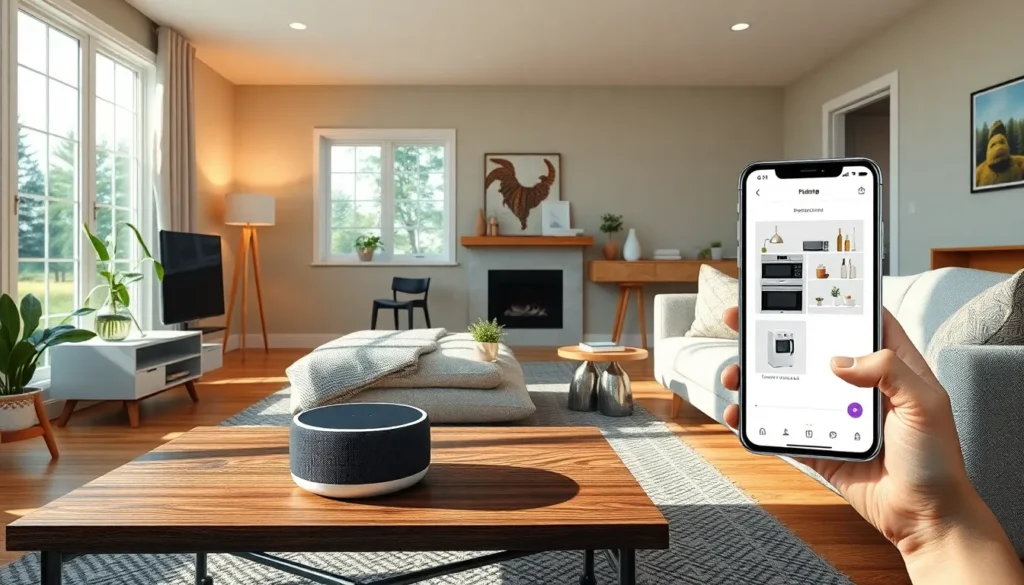
Smart device integration significantly enhances household experiences. It offers numerous advantages that make daily tasks more manageable and enjoyable.
Enhanced Convenience
Convenience stands at the forefront of smart device integration. Automated systems allow individuals to control multiple devices through a single interface, reducing the need for multiple remotes or apps. Smart speakers streamline everyday tasks, enabling users to adjust lighting or play music with simple voice commands. Scheduling features let users pre-program devices for specific times, such as warming up a home before arrival. Notifications on smartphones keep users informed about appliance statuses, allowing remote operations. As a result, convenience turns into an effortless lifestyle with connected devices working in harmony.
Improved Efficiency
Efficiency improves significantly with smart device integration. Connected devices communicate in real-time, optimizing energy consumption and reducing waste. For example, smart thermostats analyze usage patterns to adjust temperatures automatically, maintaining comfort while saving energy costs. Automated tasks lessen the time spent on chores, such as setting robotic vacuums to clean while out. Users benefit from tailored schedules for appliances, ensuring tasks run during off-peak hours. Overall, efficiency enhances productivity, giving users more time to focus on other important activities.
Challenges in Smart Device Integration
Integrating smart devices poses several challenges that can hinder optimal performance. Key concerns include compatibility issues and security risks.
Compatibility Issues
Compatibility remains a significant barrier in smart device integration. Various manufacturers often design devices with proprietary technologies, leading to communication breakdowns. Users frequently experience frustrations when trying to connect devices from different brands. Device ecosystems may require users to commit to specific brands for seamless integration. Industry standards, such as Matter, aim to improve interoperability but adoption across devices varies. Ultimately, without widespread compliance, achieving a truly integrated smart home experience proves difficult.
Security Concerns
Security concerns frequently arise with smart device integration. Connected devices transmit sensitive data over networks, increasing vulnerability to cyber-attacks. Hackers may exploit inadequately secured devices, targeting personal information. Users rarely change default passwords, leaving devices susceptible to unauthorized access. Regular software updates help mitigate risks, yet many devices lack automated updates. Furthermore, privacy policies may not adequately protect user data, leaving individuals exposed to potential breaches. High-profile security incidents underline the importance of prioritizing security in smart device deployment.
Best Practices for Smart Device Integration
Smart device integration offers numerous advantages when executed correctly. Adopting best practices fosters a cohesive and secure smart home environment.
Choosing the Right Devices
Selecting compatible devices eliminates communication barriers. Prioritize purchasing items that support common standards, such as Matter, to enhance interoperability. Look for devices designed to connect seamlessly with existing setups. Consider user reviews and expert opinions when evaluating products. Prioritize energy-efficient options that help reduce utility costs. Focus on versatile devices that offer multiple functionalities. Examples include smart speakers that control lighting and thermostats, thereby streamlining user experiences.
Ensuring Security Measures
Implementing strong security measures safeguards connected devices. Use robust, unique passwords for each device to mitigate unauthorized access risks. Regularly update software to protect against vulnerabilities. Awareness of data transmission is crucial; choose devices with strong encryption measures. Activate network security features such as firewalls and intrusion detection systems. Avoid connecting devices to public Wi-Fi networks which may expose data to threats. Stay informed about the latest security practices and industry standards to enhance the overall safety of the smart home ecosystem.
Future of Smart Device Integration
Smart device integration continues to evolve, driven by emerging technologies and consumer demands. As devices become more intelligent, integration grows more complex and capable.
Trends and Innovations
Recent innovations reveal advancements in artificial intelligence and machine learning, enhancing device communication and automation. Companies design smart devices that learn user preferences, resulting in a personalized experience. Additionally, voice control technology expands beyond speakers, integrating into various devices such as appliances and lighting systems. Smart home platforms like Amazon Alexa and Google Assistant lead the industry, connecting diverse devices under one interface, thereby streamlining user experiences. Furthermore, interoperability initiatives, such as Matter, strive to improve device compatibility across different manufacturers, facilitating seamless integration.
Predictions for Smart Homes
Future forecasts indicate rising adoption rates for smart home technology. By 2025, over 75% of households are projected to adopt smart home devices. Users will demand enhanced security features, leading manufacturers to prioritize robust encryption and real-time monitoring capabilities. In addition, energy management systems will experience growth, as consumers seek to reduce utility costs and environmental impact. Smart devices are likely to develop even more advanced capabilities, such as proactive maintenance alerts and predictive analytics. The evolution of smart device integration promises a more efficient, secure, and personalized living environment.