

In the fast-paced world of fashion startups, a tech pack is the unsung hero that can make or break a brand. Think of it as the blueprint for your clothing line—a detailed document that communicates your vision to manufacturers. Without it, you’re basically sending a blindfolded toddler into a candy store. Chaos ensues.
Creating a killer tech pack isn’t just about slapping some sketches on a page. It’s about precision, clarity, and ensuring your designs come to life just as you imagined. From fabric choices to sizing specs, every detail counts. So, if you want to strut down the runway of success rather than trip over your own designs, buckle up. This guide will help you craft a tech pack that speaks volumes—without uttering a single word.
Understanding Startup Fashion Tech Packs
A fashion tech pack serves as a detailed document outlining a brand’s design specifications for manufacturers. It’s essential for effectively communicating the vision and expectations for a clothing line.
Definition and Purpose
A tech pack contains critical information such as materials, colors, measurements, and construction details. Its primary purpose lies in guiding manufacturers precisely through the production process. With a tech pack, brands reduce the risk of miscommunication and ensure alignment on every aspect of the garment. This document acts as a reference point, making it easier for both designers and producers to stay on the same page. Additionally, clarity in a tech pack enhances efficiency during manufacturing.
Importance in the Fashion Industry
Tech packs play a pivotal role in the fashion industry by streamlining communication between designers and manufacturers. Accurate tech packs contribute to decreased production errors and increased efficiency. In competitive markets, a well-crafted tech pack differentiates a startup, showcasing professionalism and attention to detail. Clarity in specifications helps manufacturers deliver products that align closely with the designer’s intentions. Ultimately, tech packs serve as the backbone of successful fashion startups, facilitating smoother workflows and promoting innovation.
Key Components of a Fashion Tech Pack
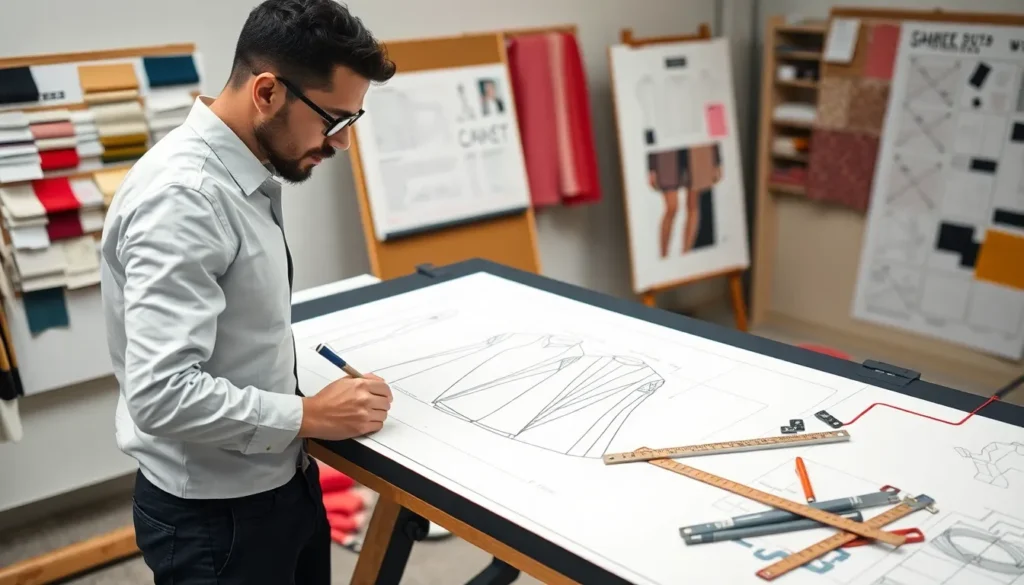
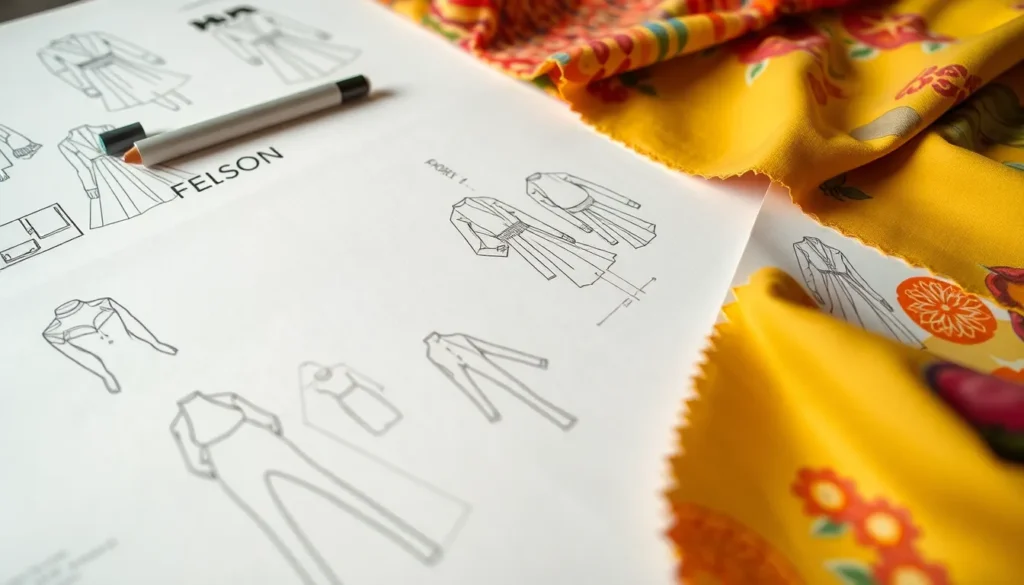
A fashion tech pack includes essential elements that clearly outline a brand’s design vision for manufacturers. Each component contributes to effective communication and ensures accurate production.
Technical Drawings
Technical drawings provide visual representations of the garment. They include details about seams, stitches, and construction methods. Designers create these drawings to depict proportions and any distinctive features. Clarity in these illustrations reduces the likelihood of errors during manufacturing. Accurate technical drawings facilitate a shared understanding between designers and manufacturers.
Material Specifications
Material specifications define the fabrics and trims used in a garment. Designers list textile types, colors, and textures, ensuring every choice aligns with the brand’s vision. Additionally, they include sourcing information and potential suppliers for each material. Detailed specifications prevent misunderstandings concerning material quality and sustainability. Comprehensive material descriptions lead to informed decisions and consistency in the final product.
Size and Fit Information
Size and fit information outline the garment’s measurements and sizing standards. This section includes a size chart with specific dimensions for each size. Designers also provide fitting guidance to help manufacturers achieve the desired silhouette. Clear instructions about ease and proportion ensure that garments fit the targeted audience perfectly. Attention to size and fit details enhances customer satisfaction and minimizes return rates.
Steps to Create an Effective Tech Pack
Creating an effective tech pack involves several key steps that ensure clarity and comprehensiveness in conveying design concepts to manufacturers.
Research and Inspiration
Identify current trends in fashion by reviewing industry reports and competitor offerings. Note standout designs, materials, and technologies that can elevate the project. Explore online platforms such as Pinterest or Instagram for visual inspiration. Observing how similar brands present their products may reveal gaps in the market. Gathering information reinforces a well-rounded understanding, enabling designers to innovate while staying aligned with consumer interests.
Drafting the Initial Design
Start with detailed sketches to visualize the garment. Include technical drawings that illustrate construction methods, seams, and stitching techniques. Define fabric choices, specifying colors and textures that match the brand’s aesthetic. Create a size chart, detailing measurements and fit preferences to aid manufacturers in producing the right sizes. Collaboration with pattern makers at this stage ensures the design aligns with manufacturing capabilities. Collecting feedback helps refine the design before finalizing the document.
Finalizing the Tech Pack
Incorporate all design elements into a comprehensive tech pack. Ensure clarity by organizing sections logically, making it easy for manufacturers to navigate. Include material specifications, detailing fabric sources and trims; align with sustainability goals if applicable. Add care instructions and packaging requirements to prepare for consumer use. Conduct a thorough review to confirm accuracy, as precision is vital for successful manufacturing. Distributing the final tech pack to all stakeholders aligns expectations and promotes smoother production workflows.
Common Mistakes to Avoid
Creating a fashion tech pack requires careful attention to avoid common pitfalls that can hinder production efficiency.
Overcomplicating Designs
Designs should remain clear and functional. Complex elements often confuse manufacturers, leading to production errors. Focusing on practical details, rather than intricate embellishments, ensures clearer communication. Prioritizing essential design features allows manufacturers to understand the vision effectively. Simplifying designs enhances manufacturing processes, reducing costs associated with mistakes.
Neglecting Details
Attention to detail plays a significant role in the success of a tech pack. Omitting specific measurements or material descriptions can result in misinterpretations. Important elements like stitching types and color codes must get included to prevent ambiguity. Ensuring all specifications are detailed allows manufacturers to deliver accurate products. Comprehensive tech packs reflect professionalism and minimize the risk of costly alterations.
Inadequate Communication with Manufacturers
Effective communication proves essential when collaborating with manufacturers. Failure to convey expectations or requirements can lead to misunderstandings and errors. Regular check-ins and updates can mitigate issues, fostering a collaborative environment. Encouraging open dialogues ensures manufacturers have the information they need, allowing for timely feedback. Clear communication streamlines the production process, contributing to meeting deadlines and reducing waste.
A well-crafted tech pack is indispensable for fashion startups aiming to bring their vision to life. It not only serves as a roadmap for manufacturers but also fosters a collaborative environment that enhances production efficiency. By focusing on clarity and attention to detail, designers can significantly reduce the risk of errors and miscommunication.
Investing time in creating a comprehensive tech pack ultimately pays off by ensuring that the final product aligns with the brand’s vision. This commitment to precision not only streamlines the production process but also enhances customer satisfaction, setting the stage for a successful launch in the competitive fashion industry.